Short-Term Rental and New-Construction Electrical Compliance on the I-4/US-27 Corridor
The vacation-home and new-construction boom across Davenport, Four Corners, and Haines City comes with electrical compliance details that get missed more often on rental turnover properties than owner-occupied homes.
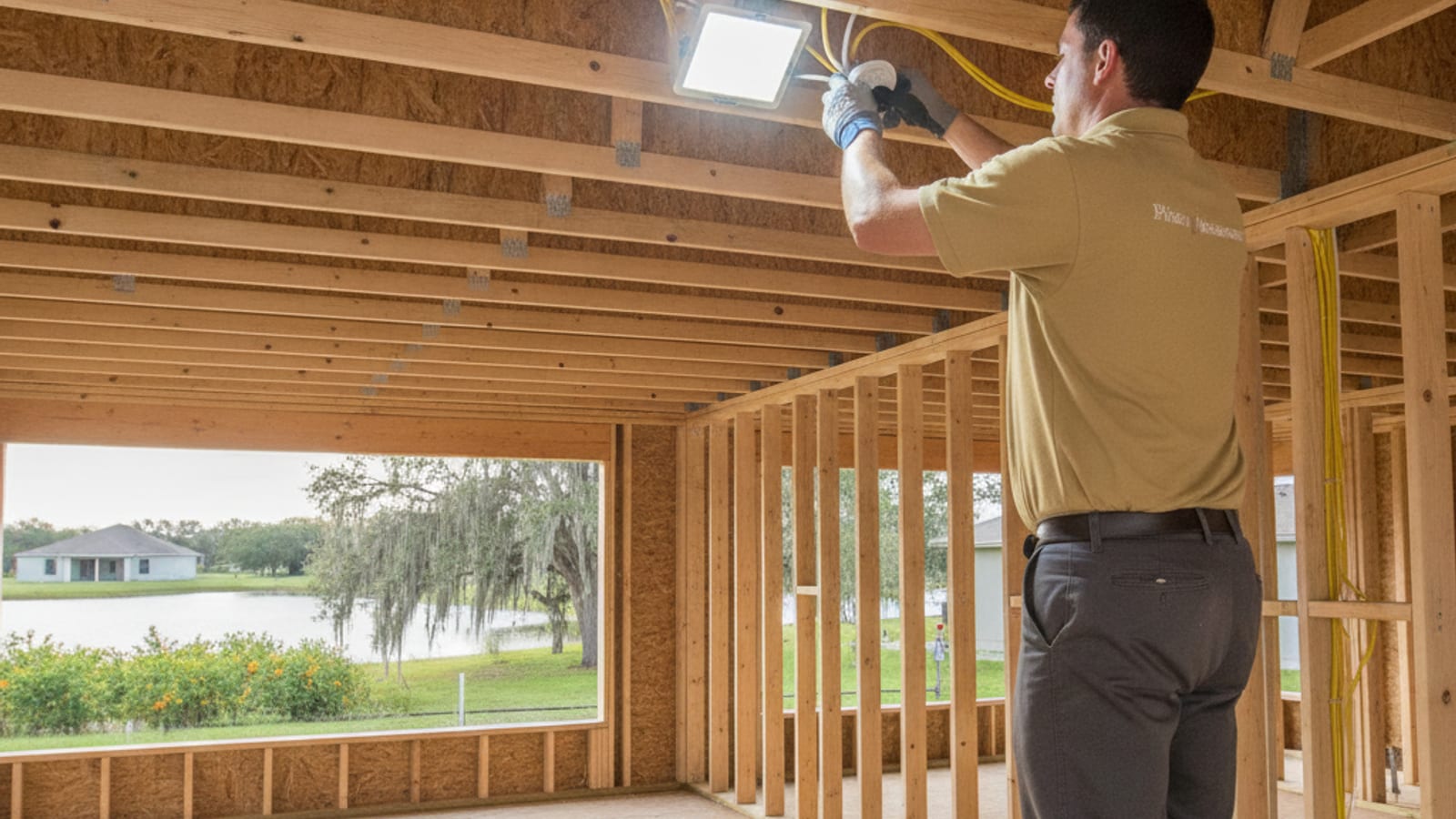
Smoke and CO Detector Placement Rules for Vacation Homes and New Builds
Florida code requires interconnected smoke detectors inside every bedroom, immediately outside each sleeping area, and on every level of the home, so that one triggered alarm sounds throughout the house rather than just in the room where smoke started. Carbon monoxide detectors are required near fuel-burning appliances and any room adjoining an attached garage. Vacation-rental owners across Davenport, Four Corners, and Haines City sometimes add detectors piecemeal as rooms get furnished, which is how a property ends up with battery units that were never wired to interconnect with the rest of the house, a gap that both fails inspection and matters in an actual fire.
GFCI and AFCI Coverage Is a Common STR Inspection Fail
Kitchens, bathrooms, garages, and every outdoor outlet need GFCI protection, and current code requires arc-fault protection on most living-area circuits in new construction, including bedrooms and living rooms. Short-term rentals see more plug-in load turnover than an owner-occupied home, space heaters, phone chargers, hair tools, and portable hot tubs cycling through with every guest, and that extra use is exactly what exposes a missing GFCI or AFCI breaker faster than it would in a house with one steady household running it. This is one of the most common findings on a pre-listing electrical inspection for I-4 corridor rental properties.
Load Calculations Matter More on EV-Ready New Construction
New construction across the I-4 and US-27 growth corridor increasingly gets built with an EV charger circuit planned in from the start, and getting the load calculation right during design avoids a panel upgrade after the drywall is already up. None of that calculation work is a homeowner task, but you can safely look at your panel's label for its total amperage rating and count how many open breaker slots remain, which gives your electrician a useful starting point. Don't guess at available capacity from open slots alone. Breaker size doesn't always match the wire gauge behind it, and assuming there's room without a real load calculation is exactly how panels end up overloaded. Get a licensed electrician to run the numbers before committing to a charger circuit.
Rather have a pro handle it?
Same-day electrical service across the Polk County. A real electrician picks up.
Keep reading.
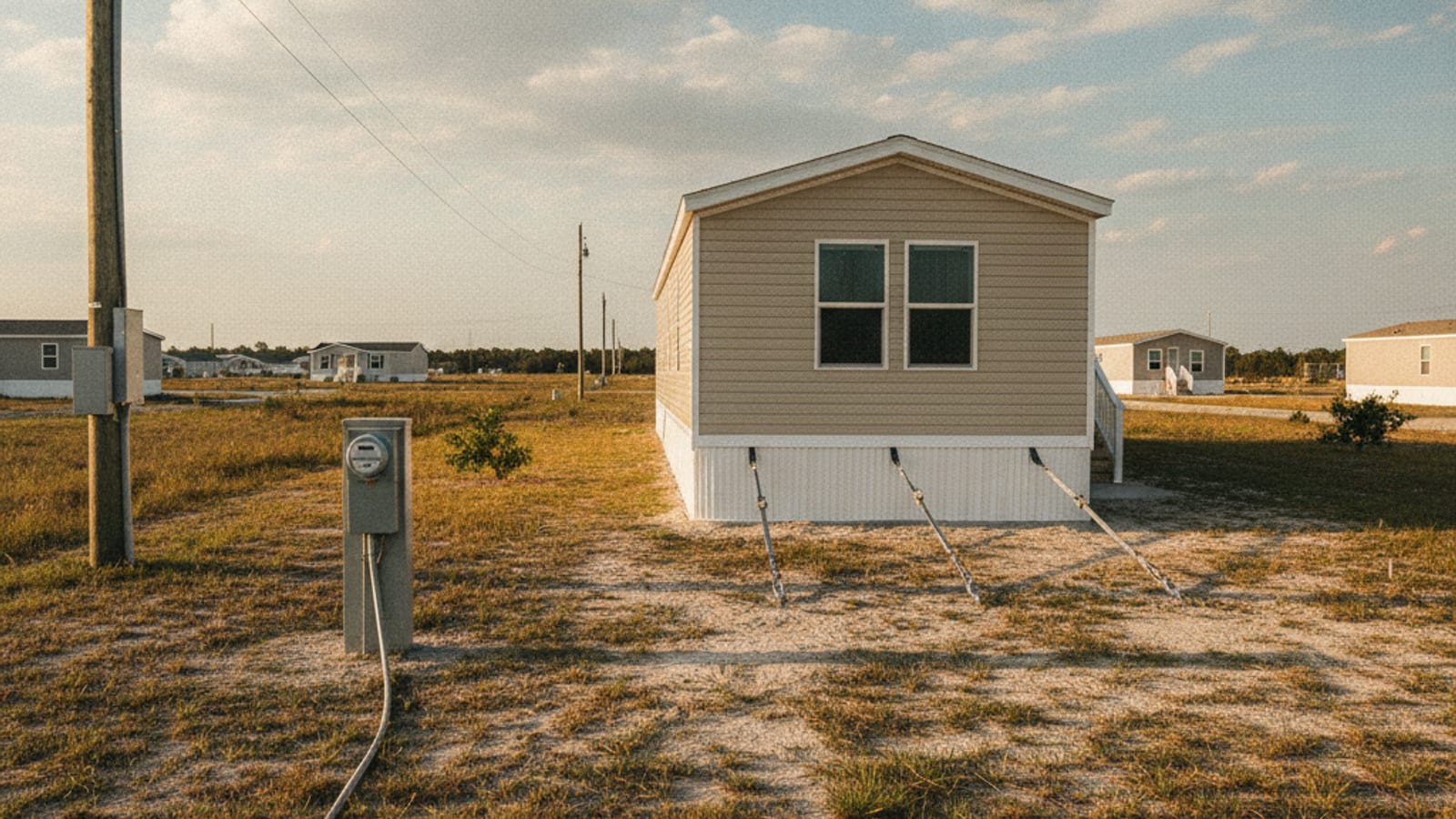
Mobile & Manufactured Home Electrical: What Polk County Owners Need to Know
Manufactured homes across Polk County's exurbs run on a different electrical code than a site-built house, and knowing the difference keeps a small fix from turning into a bigger problem.
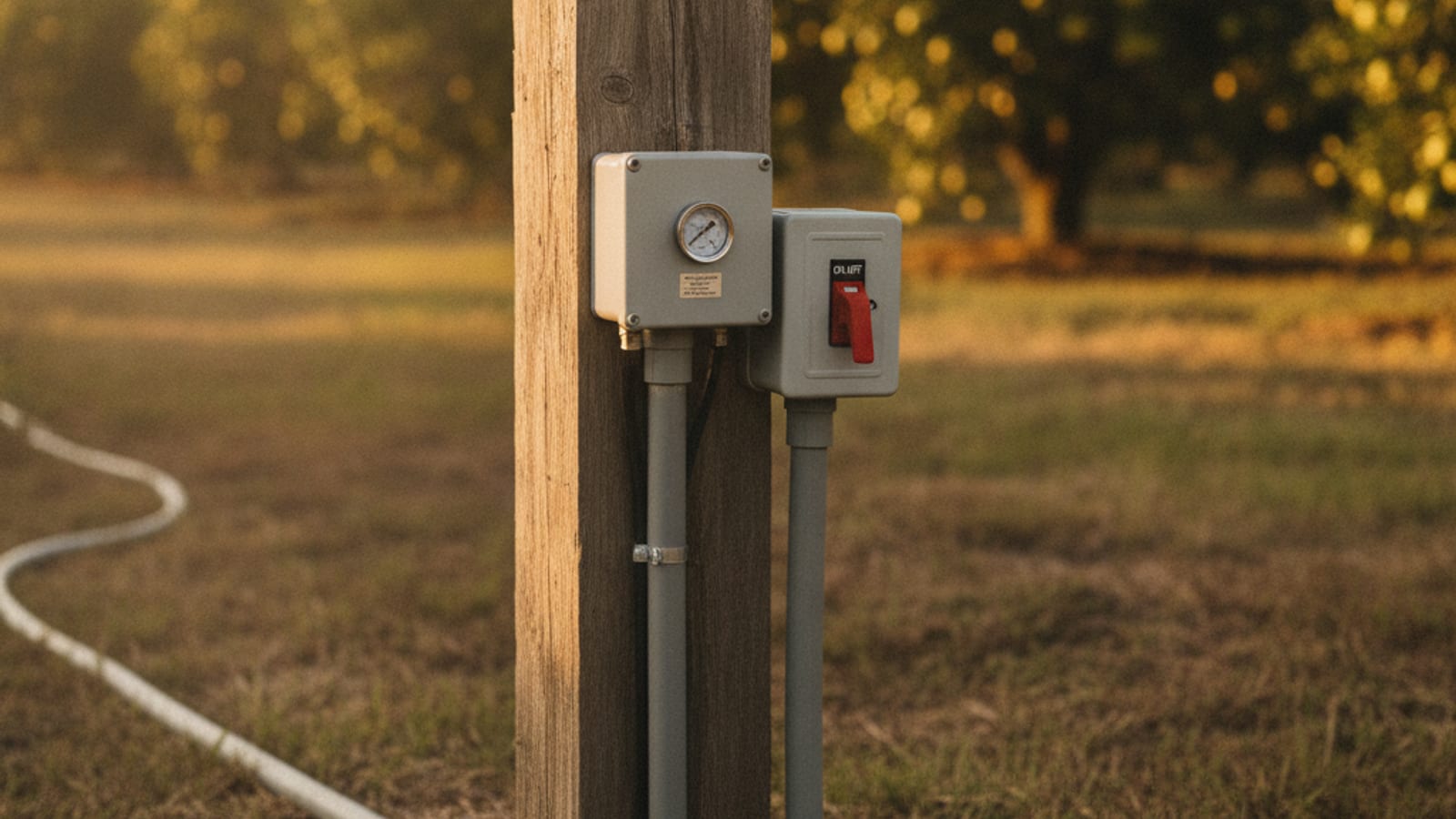
Well Pump, Barn, and Rural Electrical Service on Polk's Citrus Belt
Rural acreage around Fort Meade, Homeland, Alturas, and the Frostproof citrus belt runs well pumps and outbuildings on circuits that behave differently from a standard city lot, and a few safe checks can save a wasted service call.
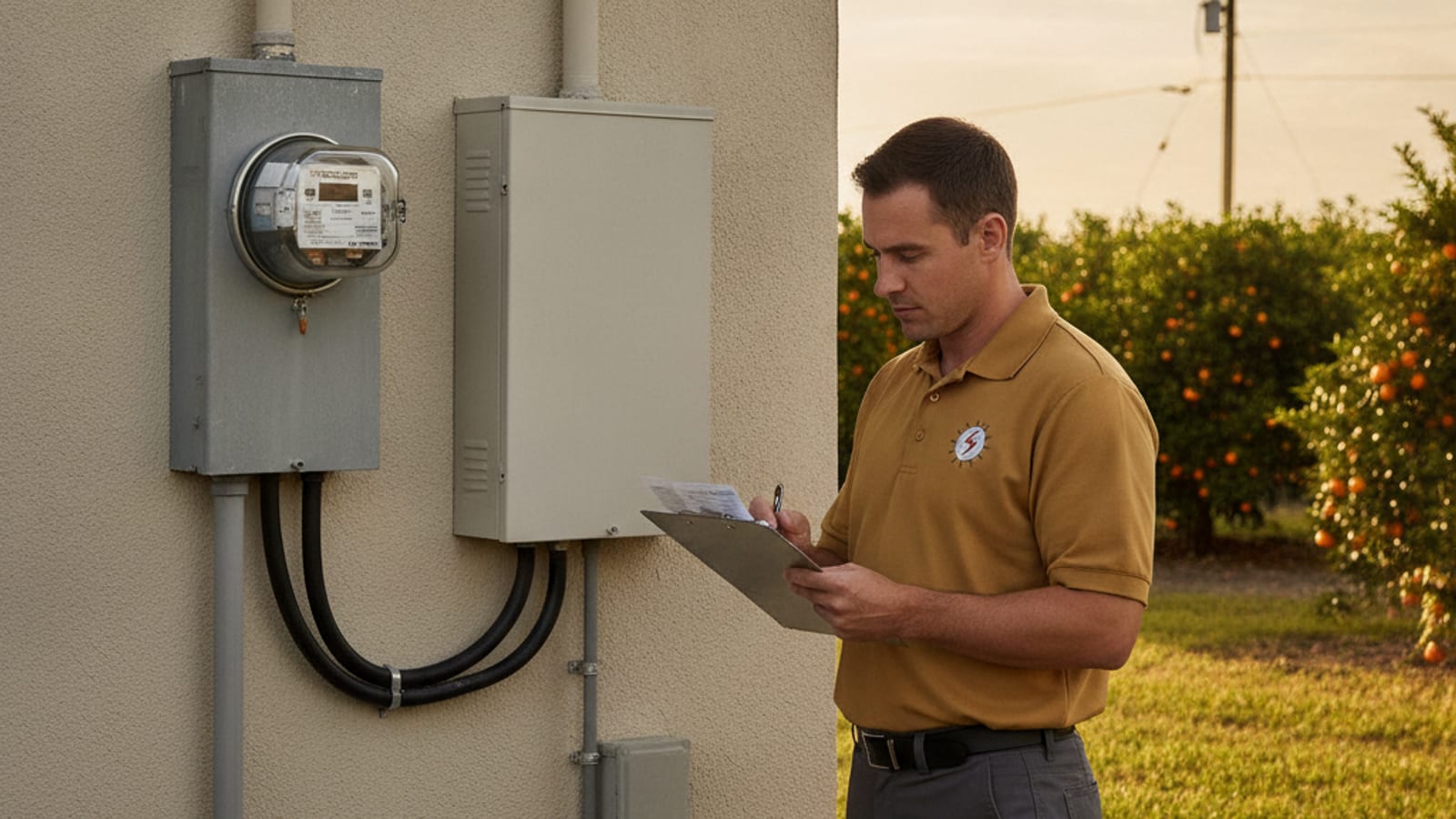
Lakeland Electric vs. Duke Energy vs. TECO: Permitting and Rebates Depend on Whose Territory You're In
Three different utilities serve Polk County addresses, and which one covers your home changes your permit process and which incentive programs you're even eligible for.